
3-Point Briefing
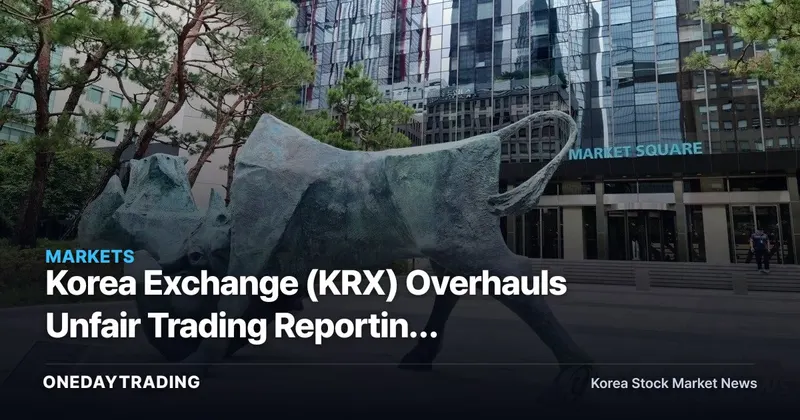
- New Voluntary Self-Reporting Reward for Participants: The system has been comprehensively overhauled to include direct participants in unfair trading as eligible for rewards if they come forward voluntarily.
- Small-Amount Award Threshold Raised: The per-case cap on small-amount awards has been increased, strengthening incentives to file reports.
- Shift to Proactive Surveillance via Insider Tips: The approach is moving away from reactive, after-the-fact detection toward a proactive interdiction strategy built around activating internal whistleblowers.
What Is Changing
Under the previous unfair trading reporting reward system, awards were effectively limited to external third-party whistleblowers. Because direct participants in market manipulation or insider trading could not qualify for rewards even when supplying relevant information, there was simply no incentive to report co-conspirators in exchange for reduced liability. This overhaul closes that structural gap, and the convergence toward a model resembling the U.S. SEC's whistleblower bounty program signals a meaningful step toward global best practice.
The core effect of this change is the weakening of internal cohesion within unfair trading networks. Market manipulation rings typically operate with divided roles — ringleaders, capital providers, nominee account holders, and trade executors. Once even a single participant has an incentive to report co-conspirators in pursuit of a reward, the cost of maintaining the organization rises and the likelihood of internal fracture before detection increases. The increase in small-amount awards is best read as a supplementary measure to reduce instances where people chose not to file reports because the per-case reward was too small to justify the effort.
By the Numbers and Context
The Korea Exchange (KRX) Market Surveillance Committee detects dozens of unfair trading cases annually, yet the rate at which these proceed to criminal prosecution remains relatively low due to the difficulty of securing evidence. For this reform to produce tangible results, the specific eligibility requirements for participant rewards and the award amounts must be disclosed publicly. The trend in reporting volume and changes in prosecution rates over the one to two years following implementation will serve as the key indicators of the program's effectiveness. At this stage, measurable, data-driven outcomes remain to be seen.
Stocks (Tickers) to Watch
- Small-cap KOSDAQ theme stocks broadly: If participants in market manipulation schemes defect earlier, the collapse of artificially inflated prices could accelerate — leaving room for short-term downward pressure on stocks (tickers) where organized manipulation is suspected.
- Large-cap, compliance-focused brokerages (Mirae Asset Securities, Samsung Securities, NH Investment Securities, etc.): A reduction in unfair trading could boost market confidence, indirectly supporting trading activity and the stability of commission-based revenue. That said, this policy change alone is unlikely to drive an immediate improvement in earnings.
- Asset managers and the ETF industry: A reduction in individual stock (ticker) price distortion could have an indirect positive effect by narrowing index-tracking errors and improving fund management efficiency.
- Companies with prior investigations for suspected unfair trading: Stronger incentives for insider tips raise the possibility of fresh disclosures related to past cases, potentially re-exposing such companies to renewed legal risk.
Risk Check
- Ambiguity in reward eligibility criteria: If the standards for awarding rewards to participants are unclear, false reports or malicious reports targeting rival interests could increase, leading to a rise in reputational damage disputes.
- Risk of retaliation against reporters: If genuine identity protection mechanisms for whistleblowers are inadequate, participants will be reluctant to come forward, leaving the program as little more than a symbolic declaration.
- Absolute limits of award amounts: Even with small-amount awards raised, if the reward levels remain far below the profits participants stand to gain from large-scale unfair trading, the deterrent effect on high-risk, high-reward illegal activity will remain insufficient.
- Low awareness of the program: If participants are unaware that rewards are available, the policy will have no effect — widespread market communication and accompanying legal immunity incentives are prerequisites for the program to function.
Bottom Line
The introduction of voluntary self-reporting rewards for participants points in the right direction by aiming to fracture the internal cohesion of unfair trading networks, but the actual reward levels and the practical strength of whistleblower protections will ultimately determine whether the program delivers. This is a policy variable to track not through the lens of near-term stock (ticker) price moves, but through the medium-to-long-term improvement of market confidence and the effectiveness of market surveillance.
This content was automatically summarized and analyzed based on the original news article. View original article (Yonhap News Finance)