At a Glance
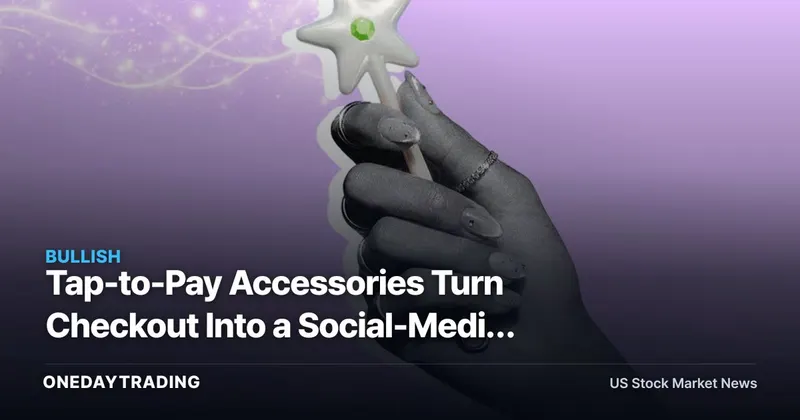
Tap-to-pay accessories and social-media shopping matter because MarketWatch reported that social-media stars are using magic-wand-style objects to buy things, turning checkout from a credit-card habit into a personalized payments accessory trend with direct read-through to the broader payments sector.
MarketWatch did not provide transaction volumes, market share, issuer names or dollar figures in the supplied report, so the investor signal is behavioral rather than financial: tap-to-pay is becoming visible, social and brandable at the point of sale.
Why It Matters Now
Contactless payment is the act of completing a purchase by tapping a card, phone or enabled object near a payment terminal, with the payment credential carried digitally rather than swiped or inserted through a physical card interface.
The sharp read is not that credit cards disappear. The sharp read is that the payment surface is fragmenting. MarketWatch reported that shoppers are turning checkout into a personalized accessory, and that shifts consumer attention from the plastic card toward the object, influencer and platform moment around payment.
For payments investors, that distinction matters. Card networks and processors benefit when more transactions move through electronic rails, but the consumer relationship can migrate away from the issuer brand if the tap object becomes the visible identity layer. The economics live in authorization, acceptance and tokenized credentials; the marketing value lives somewhere else.
The risk is that the trend stays cosmetic. A magic wand at checkout can drive TikTok attention without changing card spend, merchant acceptance or take rate. The investable question is whether personalization increases contactless usage frequency or merely repackages transactions that would have happened on a phone or card anyway.
Key Debates
- Adoption versus novelty: MarketWatch described social-media stars using magic wands for purchases, but the supplied report gives no usage rate or repeat-purchase data.
- Card rails versus card brands: Credit-card networks can still process the transaction, while the branded plastic card becomes less central to the consumer experience.
- Issuer loyalty: If checkout objects become fashion items, rewards programs and bank branding must work harder to remain visible.
- Security perception: Contactless credentials can be tokenized, but consumers still judge payment safety by the object they tap and the checkout experience they see.
Related Stocks & Sectors
- Payments sector: Tap-to-pay accessories support more electronic transactions if shoppers choose contactless checkout over cash or manual card entry.
- Credit-card networks: The supplied MarketWatch item frames credit cards as the incumbent behavior being challenged by personalized tap objects.
- Fintech wallets: Digital credential storage gains relevance when the payment form factor moves beyond the plastic card.
- Consumer accessories: Personalized checkout objects turn payment into a style signal, which can create demand outside traditional financial services.
What to Watch
- Next issuer commentary: Listen for credit-card companies discussing contactless usage, tokenized transactions and wallet share on upcoming earnings calls.
- Merchant acceptance: The trend only scales if tap-to-pay terminals reliably accept nontraditional form factors at everyday retailers.
- Influencer conversion: Social-media visibility matters only if shoppers adopt the behavior beyond short video content.
- Brand ownership: Watch whether banks, fintech wallets or accessory makers control the consumer-facing payment object.
Overall Outlook
The payments-sector read is modestly bullish because MarketWatch reported a consumer behavior that makes contactless checkout more visible and more personalized. The counterweight is measurement: without transaction counts, issuer data or merchant adoption figures, investors should treat the story as an early signal, not proof of a revenue inflection.
FAQ
Why are shoppers using tap-to-pay accessories instead of credit cards?
MarketWatch reported that shoppers are turning checkout into a personalized accessory, with social-media stars using magic-wand-style objects to buy things. The behavior suggests that payment form factors are becoming part of consumer identity, not only a utility at the register.
What does tap-to-pay mean for credit-card companies?
Tap-to-pay accessories do not automatically remove credit-card networks from the transaction, because the underlying credential can still route through card payment rails. The risk for credit-card issuers is weaker brand visibility if the consumer remembers the accessory more than the card program.
Is the tap-to-pay accessory trend investable?
The tap-to-pay accessory trend is investable only if the behavior increases electronic payment frequency, merchant acceptance or wallet engagement. The supplied MarketWatch report gives no dollar volume or adoption rate, so the next proof point must come from company commentary or payments data.
📊 Analysis
Signal Bullish
Why The story is a positive behavioral catalyst for the payments sector because it makes contactless checkout more visible, though the supplied report lacks adoption or transaction data.
This article was independently written by OneDayTrading from public reporting. Read the original (MarketWatch)