

Key Takeaways
A combination of the global tech-stock correction and foreign net selling pushed the KOSPI below the psychologically important 4,000 level, sliding to the 3,900 zone intraday. As the AI bubble debate intensified, the futures index plunged, triggering a sell-side program-trading sidecar for the first time in roughly seven months. Sell orders flooded in, led by large-cap stocks, and market sentiment is contracting rapidly.
What Happened
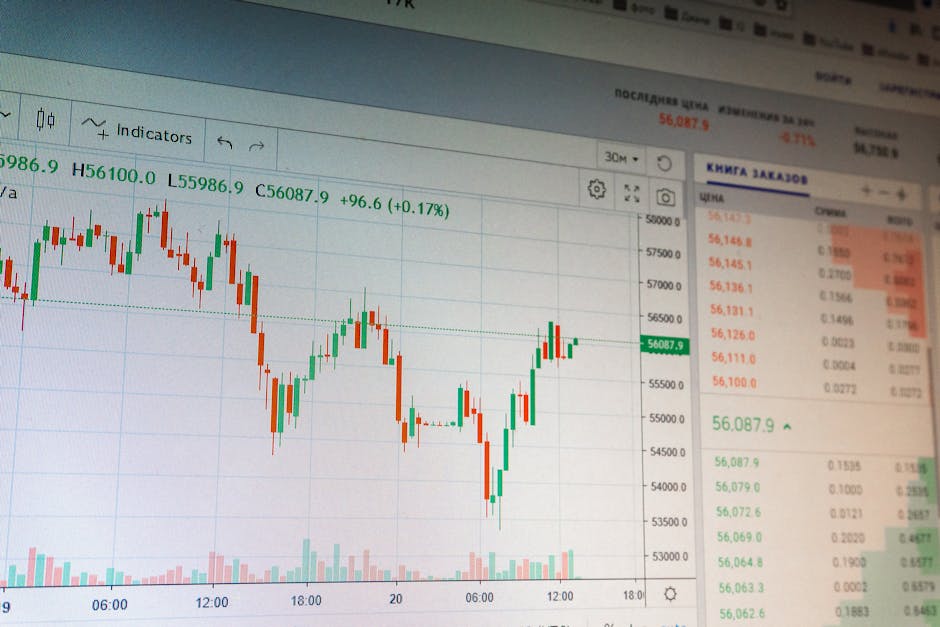
Domestic stocks showed a clear selling bias from the opening bell. As valuation concerns over global tech stocks came into focus, the appetite to take profits across risk assets grew, and that shock spread directly to the KOSPI, which is heavily weighted toward tech names. The index failed to hold the 4,000 level and retreated to around the 3,900 zone intraday.
The decisive trigger for the intensifying downward pressure was a sharp drop (plunge) in the futures index. As futures prices fell steeply in a short span, a sell-side sidecar — which temporarily halts program trading — was triggered. The mere fact that the sidecar activated, the first time in roughly seven months, was read as a signal that the market had moved beyond a simple correction and entered a phase of heightened volatility.
The exodus of foreign investors deepened the losses. With the exchange rate and global liquidity conditions unstable, foreign investors turned to net selling centered on large-cap stocks, and the top market-capitalization names that carry the most weight on the index weakened in tandem. A classic capitulation-style flow, in which selling begets more selling, appeared in some stretches.
Background and Context
Global equity markets have recently extended a steep rally, powered by expectations for artificial-intelligence-related investment. However, with the AI bubble debate — that share prices are excessive relative to earnings — repeatedly raised, markets have entered a fatigued phase that is insensitive to positive catalysts but sensitive to negative catalysts. The KOSPI, too, has grown more heavily weighted toward tech stocks such as semiconductors and platforms, making it structurally prone to moving in sync with this global mood.
On top of this, the symbolic 4,000 price level became a pretext for short-term profit-taking. Because the index had climbed levels quickly, sell orders aiming to lock in gains at a certain threshold had accumulated, and one interpretation is that they were unloaded all at once when an external shock acted as the trigger.
Impact on the Market and Stocks
- Large-cap semiconductors: As the industry sector most sensitive to foreign supply-demand (order flow) and global tech-stock trends, volatility tends to widen during index downturns.
- Platform and internet stocks: Because AI growth expectations are already priced into their shares, they face direct valuation-adjustment pressure when the bubble debate comes to the fore.
- Growth theme stocks such as secondary batteries: When risk-off sentiment strengthens, capital tends to flow out of high-valuation growth stocks first.
- Brokerage stocks: With earnings tied to trading value and market sentiment, widening volatility and contracting sentiment can act as a drag.
- Dividend and domestic-demand value stocks: Their relatively defensive character may stand out, drawing attention as a temporary safe haven for capital.
Investor Checkpoints
- Investors should check the scale of foreign net selling and whether it persists on a daily basis to gauge the direction of supply-demand (order flow).
- It is necessary to watch futures volatility and program-trading flows together and stay alert to short-term shock signals such as a sidecar trigger.
- It is advisable to check whether your holdings are concentrated in AI and growth themes and to reassess sector diversification.
- External variables such as the exchange rate and global tech-stock indices should also be monitored, as their stabilization is a precondition for any rebound.
Outlook
Viewed optimistically, this decline has the strong character of a healthy correction that cools off overheating from a short-term sharp gain (surge). Sidecar triggers often appear near the peak of short-term volatility, so if external variables settle and foreign supply-demand (order flow) reverses, a swift technical rebound is possible, led by the large-cap stocks that fell the most. As long as corporate earnings and fundamentals remain intact, it is premature to conclude that the index's underlying trend itself has broken.
That said, the risks are clear. If the AI bubble debate gathers steam on a global scale or the exodus of foreign investors continues as a trend, the recovery of the 4,000 level could be delayed and a volatile market could become prolonged. For investors, this is a phase that calls for a cautious, phased approach — confirming supply-demand (order flow) and external variables rather than betting on a short-term rebound.
This article is content automatically summarized and analyzed based on the original news report. View original (source)