At a Glance
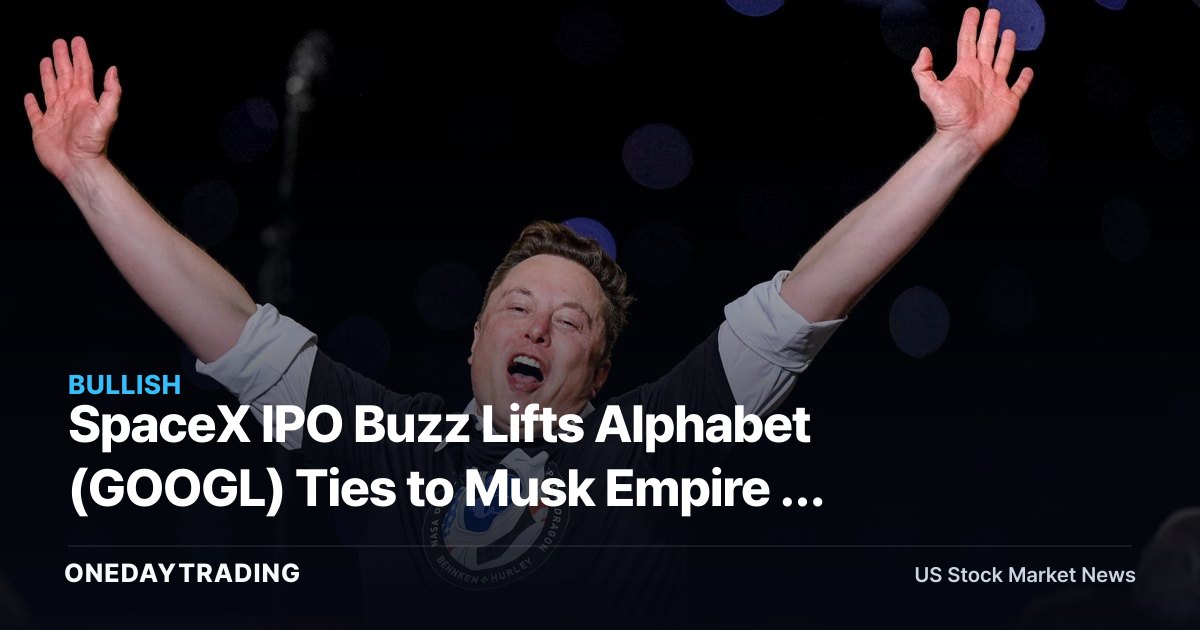
Elon Musk's SpaceX marked a milestone this week with a blockbuster public offering, drawing attention to its decade-spanning ties with Google. Although Musk and Google co-founder Larry Page personally drifted apart years ago, their companies are arguably more intertwined now than ever. For public-market investors, the listing reframes how to value the broader Musk ecosystem and Alphabet's strategic bets.
Why It Matters Now
A large, high-profile IPO from one of the most closely watched private companies in the world is a significant event for risk appetite. It tests investor demand for richly valued, frontier-technology names and can set the tone for the wider new-issue pipeline. A strong reception signals that capital remains willing to fund long-duration, capital-intensive ventures like spaceflight and satellite connectivity.
The Google connection is the strategic hook. Google parent Alphabet has historically engaged with SpaceX across investment and infrastructure, and a publicly traded SpaceX makes that relationship more visible and measurable. The personal rift between Musk and Page contrasts with deepening corporate overlap, a reminder that in technology, commercial logic often outlasts founder friendships.
For retail investors, the news is less about an immediate trade and more about positioning. It clarifies how the Musk empire — spanning Tesla, SpaceX and other ventures — is increasingly viewed as an interconnected platform rather than isolated bets.
FAQ
- Can I buy SpaceX stock directly? Investors should confirm listing details and availability through their broker, as access and timing for newly public shares can vary.
- Is Tesla the same as SpaceX? No. They are separate companies both led by Elon Musk, but sentiment around one Musk venture often spills into others.
- How does this affect Alphabet? Alphabet's historical ties to SpaceX become easier to assess once parts of that relationship sit in public markets.
- Is this a green light for more IPOs? A well-received marquee listing can encourage other large private firms to test the market.
Related Stocks & Sectors
- GOOGL (Alphabet) — long-standing strategic and infrastructure ties to SpaceX gain fresh visibility.
- TSLA (Tesla) — Musk-ecosystem sentiment frequently moves alongside other Musk ventures.
- Aerospace and satellite connectivity — a marquee space listing can re-rate peers and suppliers.
- IPO and capital-markets names — a strong debut supports the broader new-issue pipeline.
What to Watch
- Trading performance and demand signals from the offering.
- Any disclosures clarifying the Alphabet–SpaceX commercial relationship.
- Spillover into Tesla and other Musk-linked sentiment.
- Whether the deal reopens appetite for other large tech IPOs.
Overall Outlook
The bull case is that a blockbuster SpaceX listing validates investor appetite for ambitious technology and strengthens the strategic narrative around Alphabet's frontier partnerships. The risk is that headline enthusiasm around a single Musk-led debut overstates near-term earnings impact for listed names, and that valuations get ahead of fundamentals. Investors should treat the event as a signal about market psychology and ecosystem positioning rather than a guaranteed catalyst for any one stock.
📊 Analysis
Signal Bullish
Why A blockbuster SpaceX IPO and renewed visibility of Google's strategic ties signal strong risk appetite, a modest positive for Alphabet and the Musk ecosystem.
This article was independently written by OneDayTrading from public reporting. Read the original (CNBC)