At a Glance
Borr Drilling (BORR) is back in the spotlight as investors ask whether the shallow-water offshore driller is a buy. The question matters because BORR is a leveraged, cyclical play on jack-up rig demand and oil prices rather than a stable income stock, so the answer hinges on day rates, contract backlog and balance-sheet discipline.
Why It Matters Now
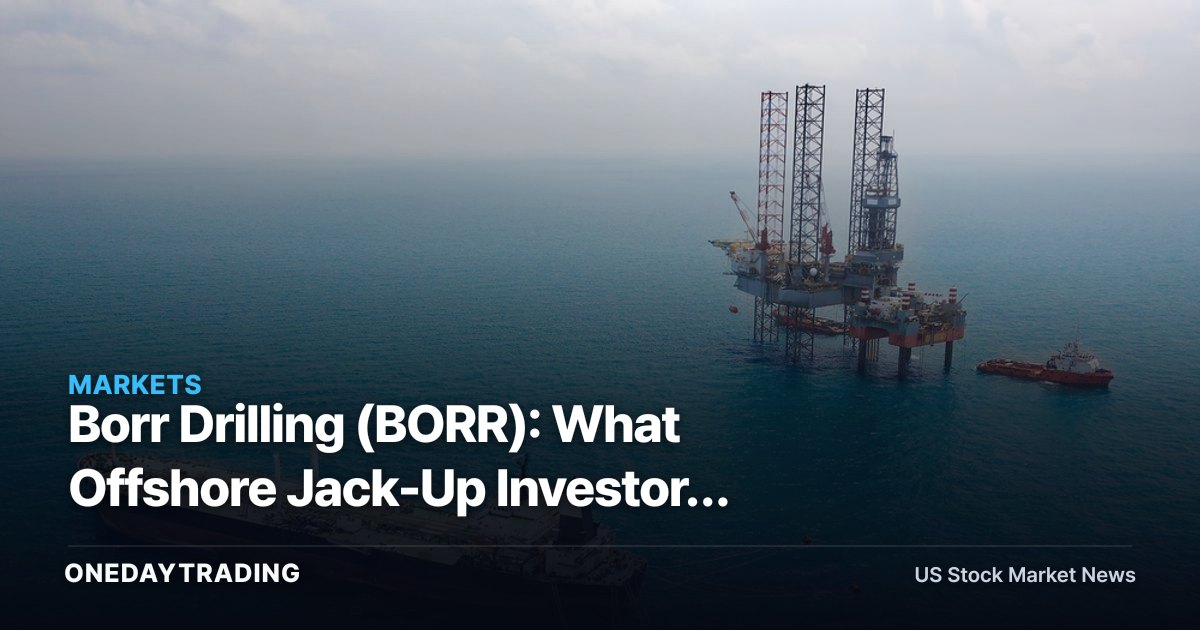
Borr Drilling operates a fleet of modern jack-up rigs that serve shallow-water oil and gas projects, mostly for national oil companies and independents. Its revenue is tied directly to two variables: how many rigs are working (utilization) and the daily rate each rig earns. When oil prices are firm and producers sanction more shallow-water drilling, both utilization and day rates rise, and because rig operating costs are relatively fixed, incremental revenue flows powerfully to earnings. That operating leverage is the bull case in compressed form.
The same mechanics cut the other way. BORR carries meaningful debt taken on to build its modern fleet, so interest expense and refinancing terms weigh heavily on equity value. A softer oil environment, a delay in customer drilling programs, or idle rigs can pressure cash flow quickly. For investors, the stock is therefore a call on the offshore upcycle rather than a defensive holding, and position sizing should reflect that volatility.
FAQ
- What does Borr Drilling actually do? It owns and operates modern jack-up rigs that drill oil and gas wells in shallow water, contracting them to producers at daily rates.
- What moves the stock most? Offshore day rates, fleet utilization, oil prices, and the company's debt and refinancing situation.
- Is it a dividend or growth name? Primarily a cyclical, leverage-driven name; capital returns depend on where it sits in the offshore cycle.
- What is the main risk? A downturn in oil demand or drilling activity combined with a debt load that amplifies losses.
Related Stocks & Sectors
- BORR — direct exposure to shallow-water jack-up day rates and utilization.
- VAL (Valaris), RIG (Transocean), NE (Noble) — peer offshore drillers that move with the same day-rate and oil-price cycle; useful for relative-value comparison.
- Oil majors and producers — their offshore capital budgets set demand for rigs; rising upstream spending supports drillers.
- Energy services sector — broadly geared to the offshore upcycle and oil-price direction.
What to Watch
- Next quarterly results: day-rate trends, fleet utilization, and contract backlog additions.
- WTI and Brent oil-price levels, which signal whether customers expand or trim drilling.
- Any debt refinancing or interest-cost updates that affect free cash flow.
- New multi-year contract awards versus rigs rolling off contract.
Overall Outlook
The bull case rests on a tight market for modern jack-up rigs translating firm day rates into outsized earnings leverage. The offsetting risk is structural: high debt and oil-price sensitivity mean a cyclical turn could erode equity value faster than the upside accrues. The honest read is that BORR rewards investors who track the offshore cycle closely and accept the volatility, not those seeking steady, low-risk exposure.
Market data check: BORR
BORR last traded near $4.22 (-1.17%). Our composite signal — blending price momentum and news flow — reads 🟡 neutral. Price momentum scores 41/100.
Data as of publication. Price via market feeds; for reference only, not investment advice.
📊 Analysis
Signal Neutral
Why The source is a buy-or-not screening question with no concrete catalyst or figures, leaving no clear directional bias.
This article was independently written by OneDayTrading from public reporting. Read the original (Yahoo Finance)