What Is Changing
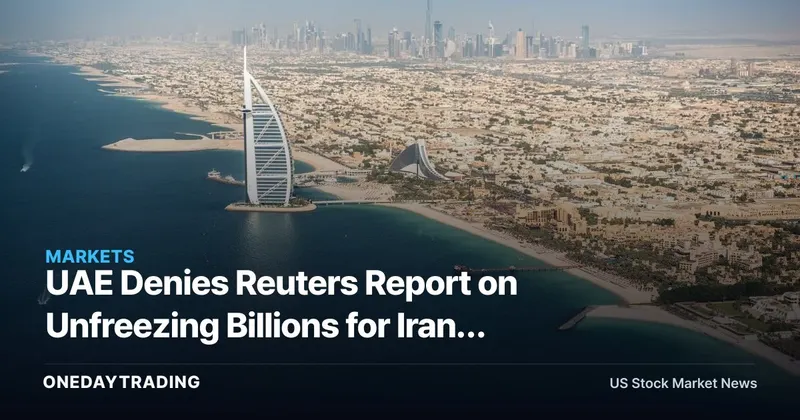
This is a story about conflicting signals rather than a confirmed policy shift. Reuters reported that the UAE had agreed to unlock frozen Iranian funds, while the UAE government described those reports as false. The gap between the two matters because frozen-asset releases have historically traveled alongside wider diplomatic thaws between Iran and the West.
When Iranian funds are unfrozen, the market often interprets it as a step toward de-escalation and a possible path to more Iranian barrels reaching global markets, which tends to pressure crude prices lower. By rejecting the report, the UAE effectively signals that the status quo on sanctions and capital controls remains intact, keeping the existing geopolitical risk premium in place.
By the Numbers and Context
The only quantified detail in the dispute is the reference to billions of dollars in frozen funds; no official figure, timeline or mechanism has been confirmed by the UAE. With the denial standing, traders are left without a concrete catalyst to reprice sanctions risk, so the headline is more about narrative and positioning than about a measurable change in oil supply.
Winners and Losers
- Oil majors (XOM, CVX): A denial that keeps sanctions and tension intact is mildly supportive for the crude price environment that drives upstream cash flows.
- Refiners and integrated names (VLO): Sensitive to any shift in Iranian supply; continued sanctions reduce the odds of a near-term supply glut.
- Defense and geopolitics-linked sectors: Persistent Middle East friction tends to support elevated risk pricing across energy and security themes.
- Global consumers and transport: A potential loser if sustained tension keeps fuel costs structurally higher.
Risk Check
- Headline risk: dueling reports can reverse within hours, whipsawing any oil-driven trade.
- The link between frozen-fund headlines and actual barrels on the water is indirect and easily overstated.
- Broader macro drivers, including demand growth and OPEC policy, can overwhelm a single diplomatic story.
- Official confirmation or further leaks could quickly invalidate the current denial.
Bottom Line
The UAE denial removes a potential de-escalation signal and modestly supports the case for a sustained Middle East risk premium in oil, but with figures unconfirmed and reports in conflict, investors should treat this as a sentiment headline rather than a hard supply catalyst.
📊 Analysis
Signal Neutral
Why A denial of an unconfirmed report leaves the sanctions and oil-supply status quo intact, offering no clear directional catalyst for energy prices or stocks.
This article was independently written by OneDayTrading from public reporting. Read the original (CNBC)