Key Takeaways
The reopening of the Strait of Hormuz after an Iran-US peace deal removes a major war-risk premium from crude, but the practical relief is gradual, not instant. For investors, that argues for fading panic pricing in oil producers while watching for a slower-than-expected normalization that keeps freight and insurance costs elevated for weeks.
What Happened
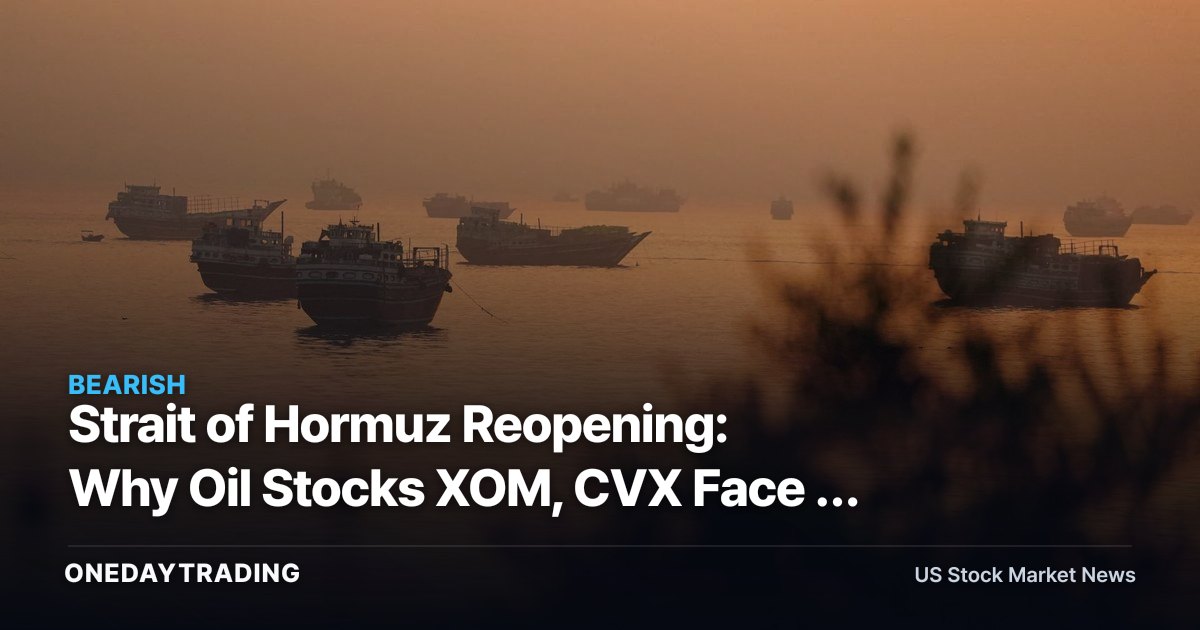
The Strait of Hormuz is set to reopen following a peace agreement signed by Iran and the United States, restoring access to the chokepoint that handles a large share of seaborne crude and LNG. The reopening directly targets the geopolitical risk premium that had been pricing into oil during the closure.
The catch is timing. Experts caution that accumulated vessel backlogs and heightened security checks could prevent shipping from returning to normal flow for weeks. In other words, the headline risk clears faster than the physical bottleneck, which means tankers queued at the entrance, slower turnarounds and lingering insurance surcharges before barrels move freely again.
Background and Context
Hormuz is the single most strategically sensitive maritime route for energy, so any disruption tends to inflate crude with a fear premium that exceeds the real supply loss. When the threat is removed, that premium typically deflates quickly, but the logistical hangover from a closure (backlogged cargoes, reinspection, rerouted insurance) decays far more slowly than the political headline.
Market and Stock Impact
- Oil producers (XOM, CVX): A receding war premium pressures crude prices, compressing the upstream margin tailwind these integrated majors enjoyed during the scare; the downside is cushioned by their downstream refining arms.
- Refiners (VLO, MPC): Lower crude feedstock costs can widen crack spreads if product prices hold, making refiners a relative winner as input prices ease.
- Tanker operators (FRO): Mixed signal — backlog clearance and security checks keep vessels tied up near term, supporting spot rates, but normalized flows eventually reduce the scarcity that lifts freight.
- Airlines and logistics (DAL): Cheaper jet fuel from softening crude is a direct cost tailwind for fuel-heavy operators if the decline sticks.
Investor Checkpoints
- Track WTI and Brent over the next several sessions: a fast drop signals the premium is unwinding, a sticky price suggests the backlog is binding.
- Watch tanker spot rates and marine insurance surcharges as the real-time gauge of how clogged Hormuz still is.
- Monitor the next round of oil-major guidance for whether they assume a lower or range-bound crude deck.
- Follow official confirmation of full strait throughput, not just the signing date, before assuming normal flows.
Outlook
The bull case for energy bears is straightforward: removing a chokepoint risk should drain the fear premium and reward fuel consumers over producers. The counter-scenario is that weeks of backlog, reinspection and security friction keep effective supply tight, leaving crude firmer than the peace headline implies — and a fragile deal could reintroduce risk if compliance falters. The cleaner read is in physical signals like tanker queues and insurance costs rather than the agreement itself.
📊 Analysis
Signal Bearish
Why A reopened Strait of Hormuz removes the geopolitical risk premium from crude, pressuring oil prices and upstream producer margins even as the relief phases in over weeks.
Tickers$XOM$CVX$VLO$FRO$DAL
This article was independently written by OneDayTrading from public reporting. Read the original (CNBC)