Key Takeaways
Fervo Energy’s Utah project matters because it targets a structural bottleneck in the U.S. data-center boom: dependable electricity, not just computing hardware. The enhanced-geothermal project aims to unlock gigawatts of generation, but investors should treat that figure as a development objective rather than operating capacity.
The investment question is whether Fervo can convert underground heat into reliable, financeable power at the scale and schedule required by data-center operators. The answer depends on drilling performance, project economics, interconnection and customer contracts.
What Happened
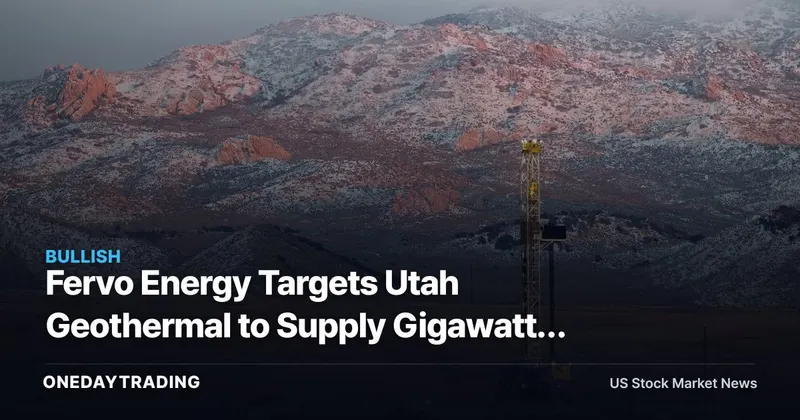
Fervo Energy is pursuing an enhanced-geothermal project in Utah designed to add gigawatts of power to the U.S. electricity mix. Enhanced geothermal systems use engineered wells and reservoirs to access heat where conventional geothermal resources are insufficient; the approach is intended to expand geothermal beyond naturally productive sites.
The project arrives as U.S. power demand rises, with data centers a visible source of new load. Fervo’s thesis is that geothermal can provide firm generation for facilities that need continuous electricity, complementing intermittent wind and solar rather than competing only on headline megawatt cost.
Per CNBC’s reporting, the Utah development is a test of whether enhanced geothermal can become part of the power mix going forward. That makes drilling results, construction milestones and eventual output more important than the project’s promotional gigawatt target.
Background & Context
Data-center developers typically value power availability, grid access and operating continuity alongside price. A geothermal plant can offer an always-on profile, but enhanced systems require subsurface engineering, wells, surface equipment and dependable reservoir performance. Each step adds capital exposure before revenue begins.
Fervo therefore sits at the intersection of energy infrastructure and digital infrastructure. The project’s strategic value rises if utilities and data-center customers face constrained supply, yet the commercial case weakens if drilling costs, permitting or transmission delays erase geothermal’s reliability advantage.
Market & Stock Impact
- Fervo Energy: The private company is the direct subject. Its valuation narrative hinges on proving that enhanced geothermal can deliver repeatable, gigawatt-scale projects rather than a single demonstration.
- U.S. utilities: Rising data-center demand increases the value of firm generation and long-term power contracts. Utilities would still weigh geothermal against natural gas, nuclear, wind and solar on cost, timing and grid location.
- Data-center operators: Reliable local power could ease a major expansion constraint, but customers will require evidence on availability, delivery dates and contract pricing before depending on a new technology.
- Drilling and power-equipment suppliers: Successful replication could create demand for specialized drilling, generation and grid equipment. A slow or technically difficult buildout would limit that addressable market.
Investor Checkpoints
- Track Utah drilling and reservoir results, including whether planned wells produce sustained commercial output.
- Look for a disclosed construction schedule, interconnection status and evidence of contracted power demand from utilities or data centers.
- Compare project economics with competing firm-power options as U.S. electricity demand increases.
- Watch whether Fervo announces replication beyond Utah; a broader pipeline would test scalability more clearly than one project.
Outlook
The bullish case is straightforward: data-center load growth creates a premium for dependable electricity, and enhanced geothermal could widen the locations where geothermal works. A successful Utah project would give utilities another firm-power option with a potentially broader resource base.
The risk is execution. Gigawatt ambition does not establish output, cost or timing, and subsurface performance can differ from engineering models. The next decisive evidence is physical—drilling, reservoir behavior, interconnection and contracted deliveries—not the size of the market opportunity.
FAQ
What is Fervo Energy’s Utah project?
Fervo Energy’s Utah project is an enhanced-geothermal development intended to unlock gigawatts of electricity for the U.S. power system. The project is positioned as a potential supply source for rising data-center demand.
Why is enhanced geothermal relevant to data centers?
Enhanced geothermal is relevant because data centers need continuous power, while wind and solar output varies with weather. Geothermal could provide firm generation if Fervo Energy demonstrates reliable reservoirs and competitive project costs.
What should investors watch next for Fervo Energy?
Investors should watch drilling results, sustained power output, construction and interconnection milestones, and evidence of customer contracts. Those indicators will show whether the Utah gigawatt target is becoming an operating business.
📊 Analysis
Signal Bullish
Why Fervo Energy’s Utah project addresses rising U.S. data-center electricity demand, but the positive case depends on proving enhanced geothermal output and economics at scale.
This article was independently written by OneDayTrading from public reporting. Read the original (CNBC)